Itkul and Karakul
Crow GirlItkul and Karakul are Kazakh brothers whose identities emerge through both forensic recognition and a painful recollection of their fate. The narrative distinguishes them from East Asian boys shown in an earlier film and connects their story to a woman’s history of loss and retaliatory violence.
Identity and Recognition
In one recollection prompted by the film, the woman thinks of Itkul and Karakul but recognizes that the boys on screen cannot be them: the brothers had not yet been born when the film was recorded, and the boys appear to be of East Asian origin. The moment separates an image that calls the brothers to mind from the historical people themselves.
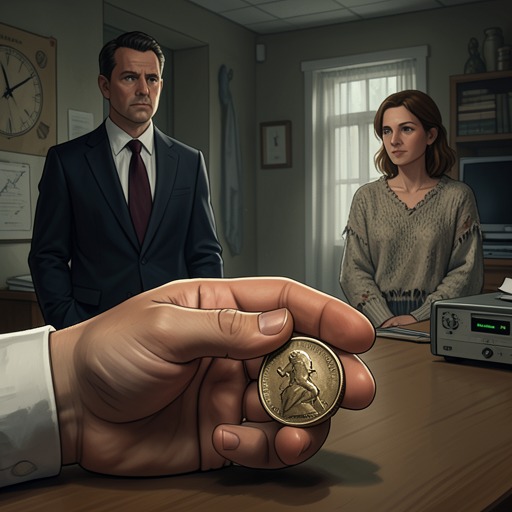
Later, a man names the Zumbayev brothers among four bodies he recognizes from photographs. The other two are Yuri Krylov and a boy from Danvikstull who has not yet been identified. Having examined the desiccated bodies thoroughly, he is certain of the brothers’ identities and feels some relief; he then asks to see the fingerprint pictures again. Recognition is presented as an important step in confirming who the dead are, while the request shows that he still seeks further evidence.
Their Fate and the Woman’s Past
The account of the brothers’ fate is bound to a woman’s earlier losses. In a counterfactual reflection, she considers that if she had not seen her brothers die at Babi Yar, and if her mother had survived the famine, she would never have forced the two Kazakh brothers to kill one another while she watched, dressed as her mother. The recollection links the brothers’ fate to the deaths in her family without suggesting that those losses erase her responsibility for what she did.
Narrative Significance
The brothers appear through sharply different forms of evidence: an image in a film that cannot literally depict them, forensic recognition of their bodies, and a memory that places them in the woman’s history. These fragments distinguish appearance from identity and recognition from explanation. Their story also makes the consequences of the woman’s losses inseparable from her later violence, without treating that past as an excuse.